

Radical Tenderness
An Open Call Group Show in collaboration with Penang Art District by Global Photographers & Filmmakers hosted at Blank Canvas Gallery, Penang, Malaysia
curators’ statements
Macy Castañeda Lee, Radical Tenderness Curator & Organizer
[MCL] Ditto.
[MCL] And I just really want to talk about how brutal this world has become. It’s both terrible and fantastic at the same time. We have watched multiple genocides happen before our eyes, and continue to happen. War and famine have been our reality, yet society has steadily developed this wave of unbotheredness in the way we move through the world.
I’m interested in people’s voluntary participation in the delusion of stability, the performance of life. Do people perform certain experiences? How are we, really? I wonder why no one is going crazy. Of course, we try to contain it.
Because I wonder why people aren’t going crazy enough. I feel as if insanity is becoming the new indicator of sanity.
Now, thinking about artists and what an artist’s purpose is at this time: Was it Ingmar Bergman who said that society only loves you when you shrink into someone they can understand? I can see that a lot in photography and film. And in response, I wanted to create this space simply so people can be: to exist, to revel in who they are. In some way, this is a piece of salvation.
To believe in the same politics and values. To come together as people first, through our love, which is our art and craft. Angels are not just flesh and feather; they come in different palettes. They come from everywhere.
It is with purpose that every Worlds Through Minds open call is open globally. We want to remind people of the expansiveness of this world, and how easy it actually is to connect with people who are so different from you and yet so similar. Human pain is universal, and truly, that is what this show is about: showing just that.
[MCL] Radical tenderness acknowledges that the world is full of people suffering from the effects of their own unlived lives which is, in part, why the world is the way it is now. People become bitter, critical, rigid; not necessarily because the world is cruel to them, but because they have betrayed their own inner possibilities.
You can become literally anything you desire. But people have thrown this possibility away in the name of capitalist and imperialist systems.
The artist who never makes art becomes critical of those who do. The lover who never risks loving mocks romance. The photographer who never makes a photograph sneers at anyone who tries. All of them suffer because, deep down, they know: the life they mock is the life they were meant to live.
There is ecstasy in communication through art forms. Films, photography, and art matter in times of genocide. Our language and emotions have a desire. Language experiences liberation upon touching itself and upon you perceiving it. The point and purpose is the experience of doing, creating, and releasing. It is incredible what these artists have done and their personal experiences that come with.
[MCL] Thank you for being here. This a fully individually funded project by the curators and some donors who believe in what Worlds Through Minds stands for. We hope you continue to support this very special space where borders and language barriers do not exist, and where photo & film captures worlds in the minds of others.
As always, we sincerely hope you enjoy the show.
Tracy Dong, Radical Tenderness Curator & Producer
[TD] Radical Tenderness was born from friendship. A year ago, Macy and I met, crossing paths by chance but always in each other’s orbit, in New York City. We spent a few weeks living together, witnessing each other lose friends, shed old selves, and gain new perspectives at a moment when America felt increasingly defined by fear, repression, and fragmentation. By photographing one another, we witnessed and listened, and remembered that care is something we practice together. Through documenting each other, we learned that tenderness does not yield to grief, but a way of moving through it. As political violence, climate catastrophe, genocide, and collective exhaustion became the backdrop of our everyday lives, we found ourselves returning to one another. In a culture that rewards speed, isolation, and indifference, choosing to remain open to one another became its own quiet form of resistance.
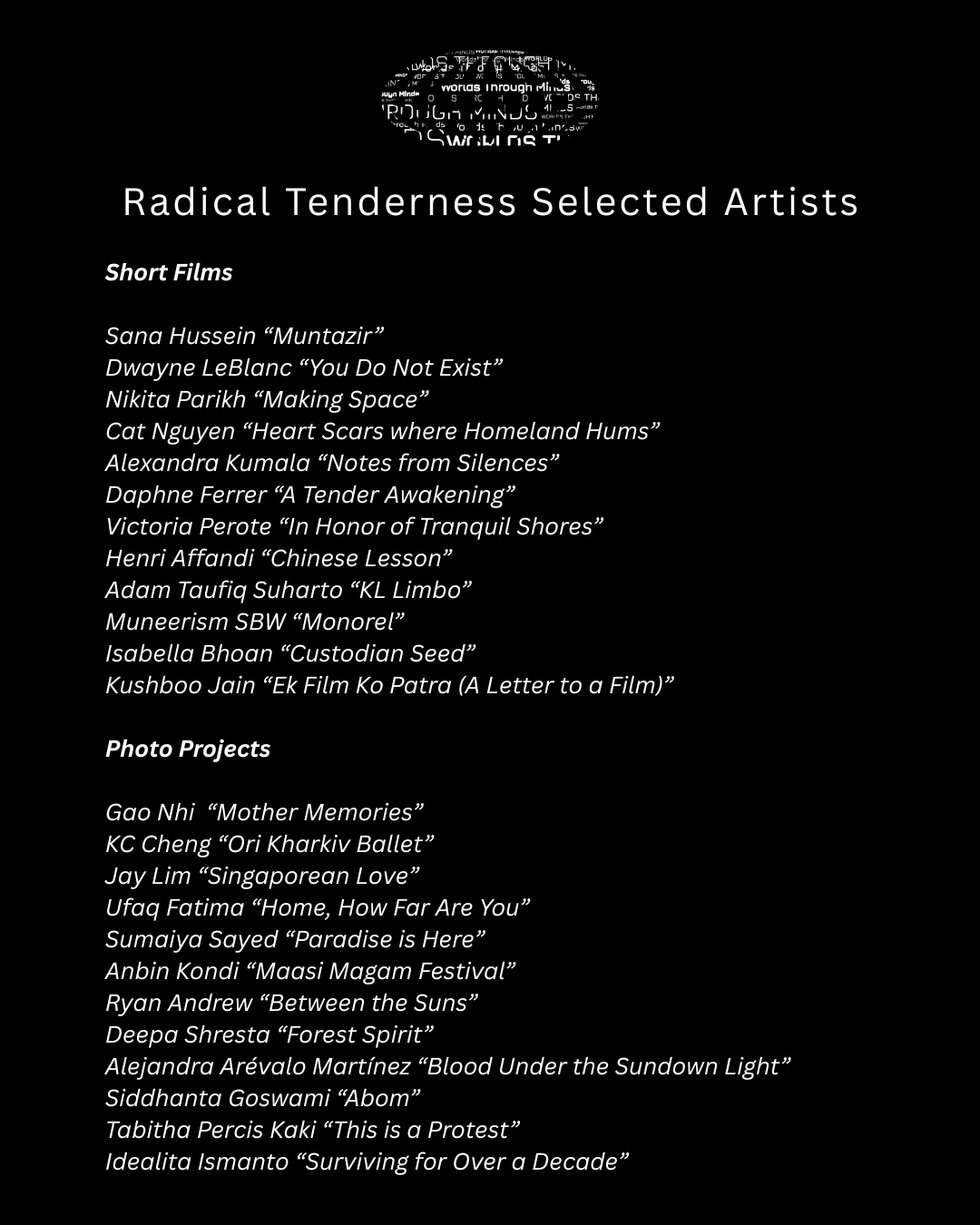
[TD] This exhibition gathers photographers and filmmakers spanning 8 countries whose work reminds us of this very principle that mattered so much to us. From the many voices that answered our open call, we curated artists who illuminate the beauty of process, healing, love, cultural history, environmental care, memory, and community amidst loss. Led by a South/Southeast Asian curatorial team, “Radical Tenderness” is an invitation to reclaim art as a place of co-creation, cultural and historical preservation, local organizing, and collective care. We believe that every act of communion pushes back against the forces that ask us to become numb. If pain is evidence of what we have lost, then love is evidence of what remains, and what we are still capable of building together. May this space offer not an escape from the world, but a reminder that even in its darkest moments, tenderness can become the most radical thing we choose.
About the Radical Tenderness Team
-
Tracy Dong (b. 1995, Vancouver, Canada) is a Vietnamese Berlin-based lens-based artist whose work is grounded in memory, resistance, and the poetics of diaspora. Drawing from her Southeast Asian heritage and diasporic lived experience, her practice examines how identity, belonging, and cultural memory are shaped and reshaped across borders and generations. With a principal focus on intimate depictions of marginalized subcultures, she proposes subversion and resistance to oppressive systems through deliberate documentation.
-
Macy Castaneda Lee (they/them) (b. 2001, Philippines) is a non-binary Filipino photographer, organizer, public speaker, & curator. They were born and raised all over Southeast Asia. They focus on advocating for psychology, mental health, social justice, and education in the work they do. With an early exposure to people with mental exceptionalities such as autism & down syndrome, Macy advocates for creating a more kind & empathic world through multi-media storytelling & research. They study how factors such as cultural movements, generational trauma, & societal norms affect the inner workings of our mind. In turn, they hope to share how humans are active agents that turn those factors over to the next generation & how important it is for one to break stigma in order to create more sustainable futures. They speak five languages.
-
Ali Monis Naqvi is a photographer based in India. His work, rooted in everyday life and attentive to small, often overlooked moments, traces the undercurrents of the political climate across the Indian subcontinent. Nominated by the British Journal of Photography for its 2023 Ones to Watch and selected as a FOAM Talent 2026, his work has been exhibited internationally and featured in leading publications.
-
Ayush Regmi (they/he) is a Kathmandu based creative working in arts and freelance research currently studying in Malaysia. Working on independent archival projects for artists, running community art programs, and coordinating with curators at galleries - their practice has been scattered throughout the Kathmandu art scene.
Their work centers interactive expression and a sense of co-creation rooted in vulnerable authenticity. Their current field of study includes a transformed, almost modernised, integration of artistic heritage, culture, and artistic tradition in decolonial arts eductaion.
-
Kenny Ng is a Penang-based arts manager, curator, and producer with over a decade of experience in cultural programming, exhibition development, and creative community engagement. He currently serves as the General Manager of Penang Art District (PAD) and Programme Director of Hin Bus Depot, where he plays an active role in shaping Penang’s contemporary arts ecosystem.
His work focuses on building accessible and community-driven platforms for artists while fostering dialogue between contemporary practice, heritage, and public participation. Over the years, Kenny has led and contributed to numerous initiatives involving artist development, youth engagement, creative capacity-building, and cross-cultural collaboration. His experience includes working with local and international artists, institutions, schools, and regional cultural networks to develop programmes that strengthen creative exchange and expand opportunities for emerging practitioners.
Kenny's curatorial approach is rooted in collaboration, storytelling, and public engagement. Working across multidisciplinary formats, he seeks to create experiences that connect artists with communities while encouraging participation, critical dialogue, and cultural exchange. He is particularly interested in the role of the arts in community development, cultural sustainability, and the continued evolution of George Town and Penang as vibrant creative cities. Through his involvement in regional networks such as the MORASUM Network, he actively contributes to cross-border dialogue and collaboration that supports the growth and resilience of the arts sector in Asia.
-
Swarna Rajagopal is an arts manager and creative producer passionate about storytelling, cultural exchange, and the written word. Born and raised in Penang, she initially set her sights on public policy research before finding a home in the arts.
Most notably, Swarna spent seven editions as the Festival Manager of the award-winning George Town Literary Festival, shaping crucial cultural conversations and curating immersive literary experiences. Today, she curates Kata & Co, a grassroots literary atelier, while bridging literature and culture through new creative projects. She reads and occasionally writes, but her writings are mostly kept secret.
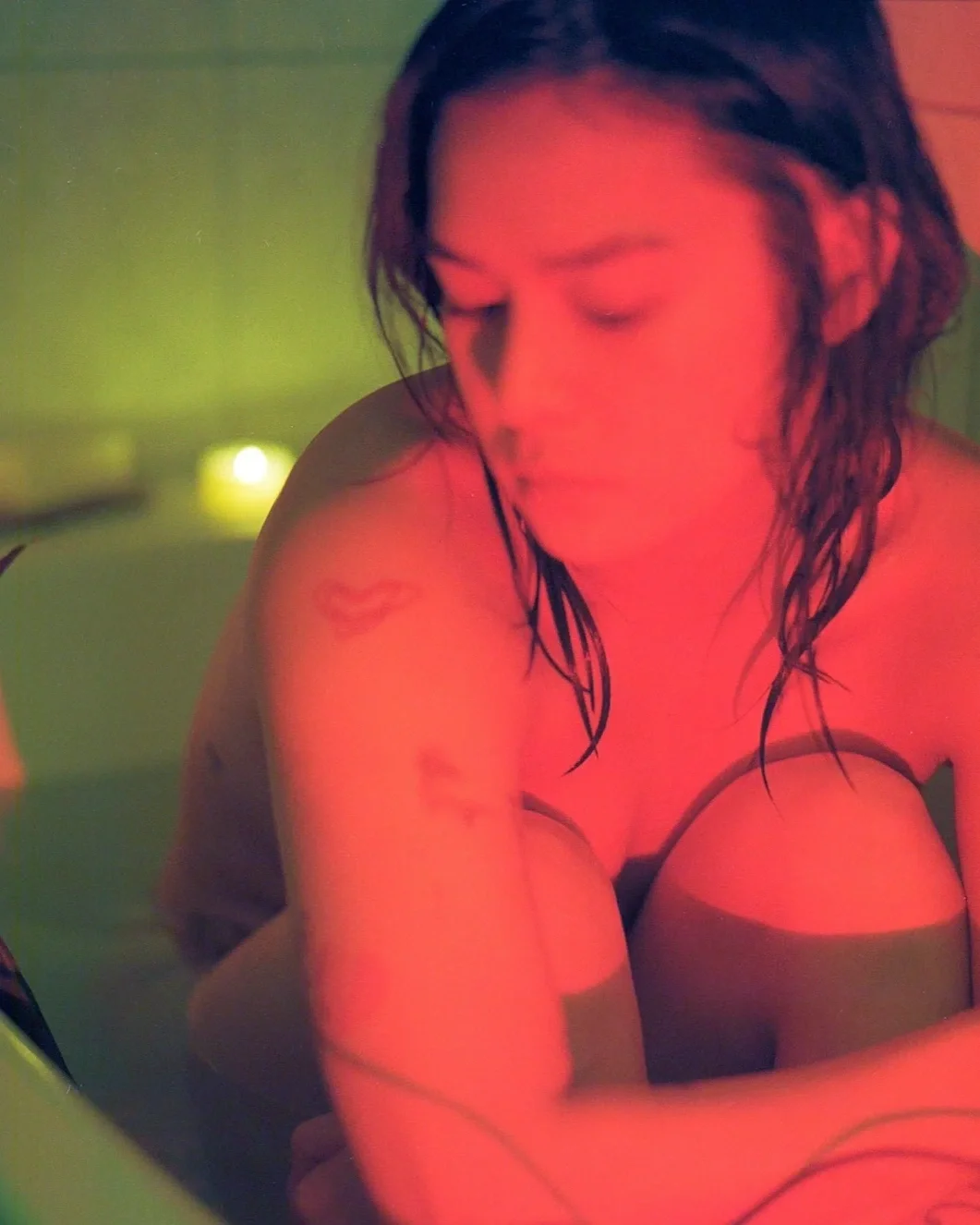
Tracy Dong
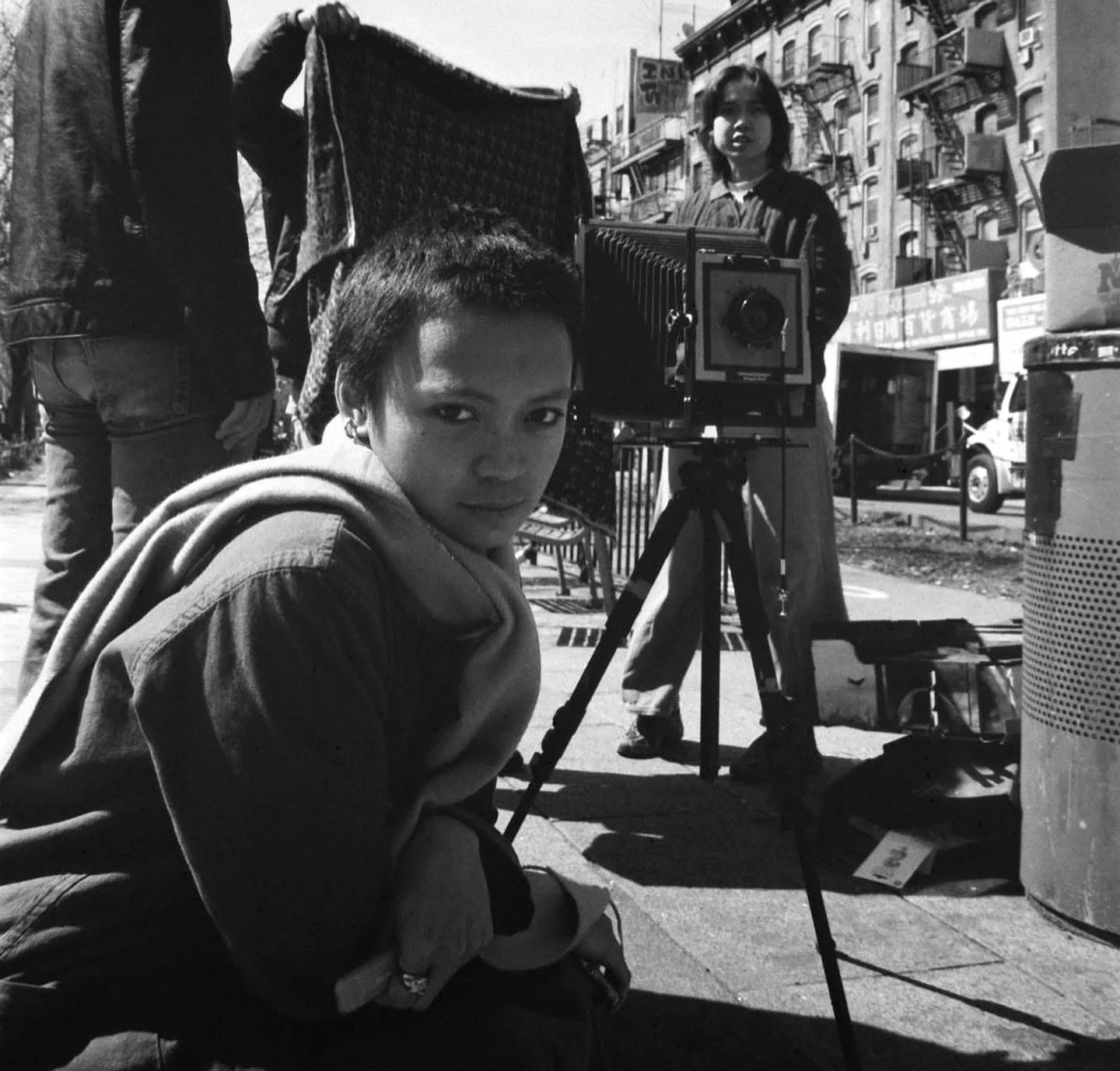
Macy Castaneda Lee
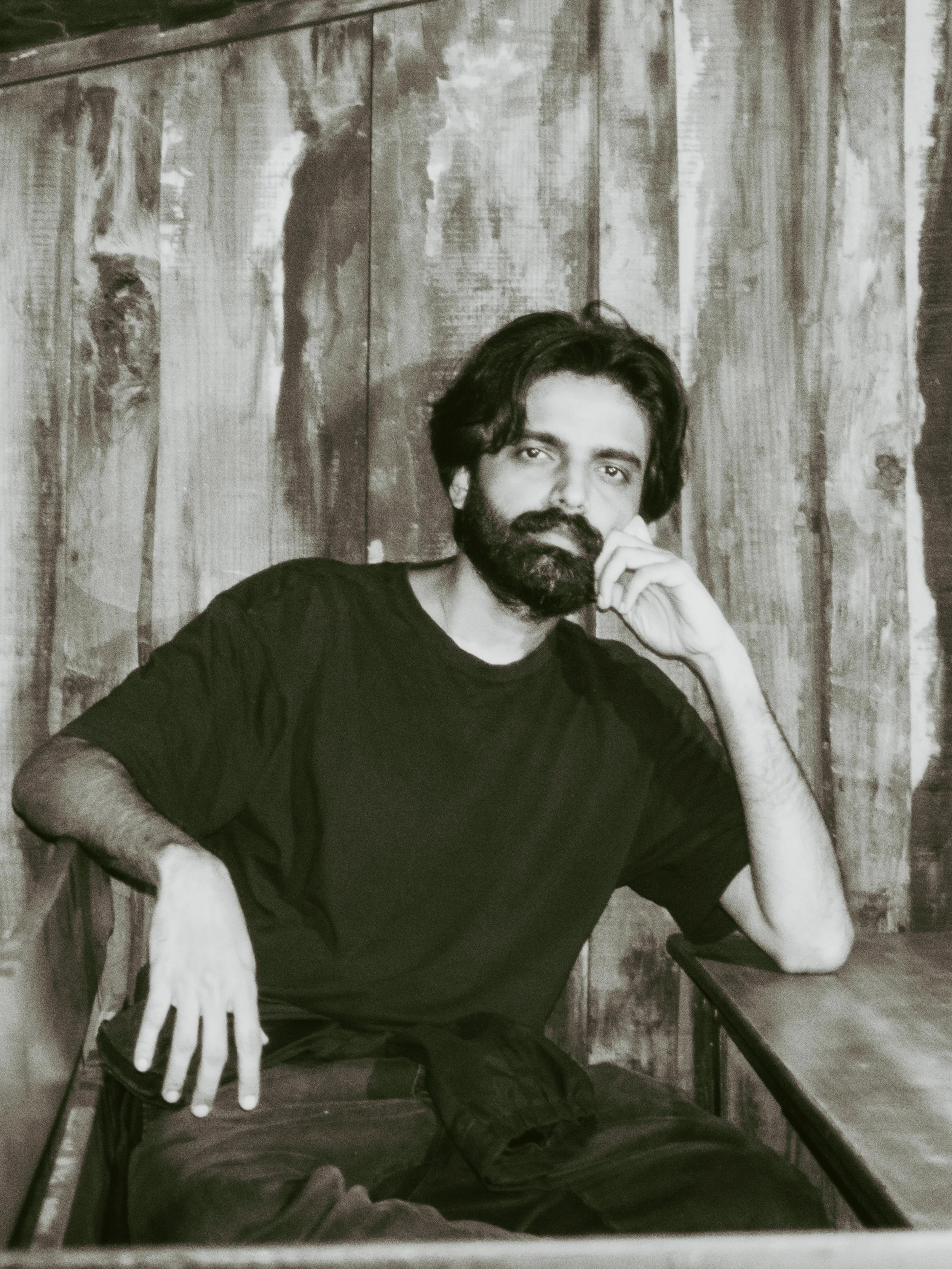
Ali Monis Naqvi
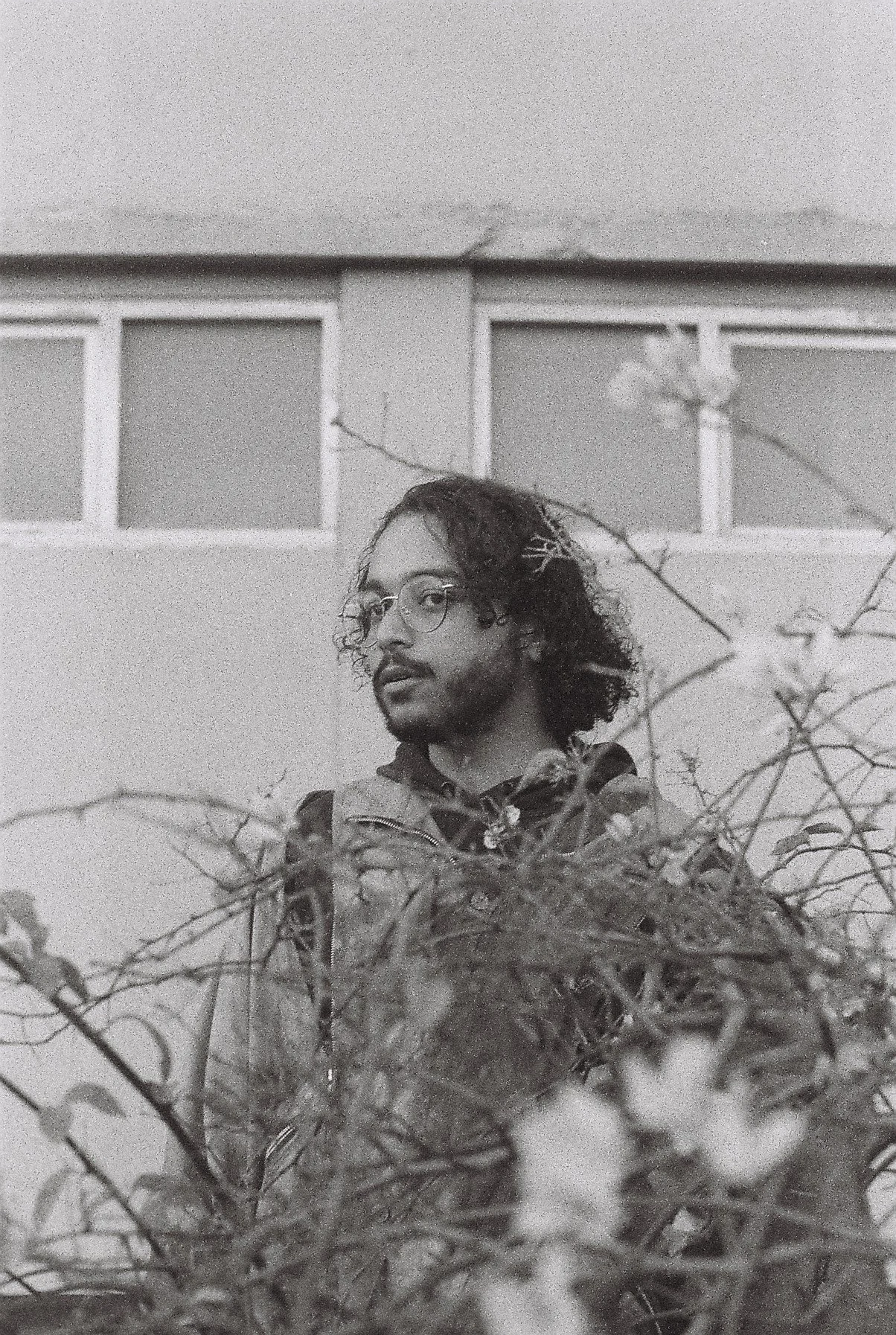
Ayush Regmi
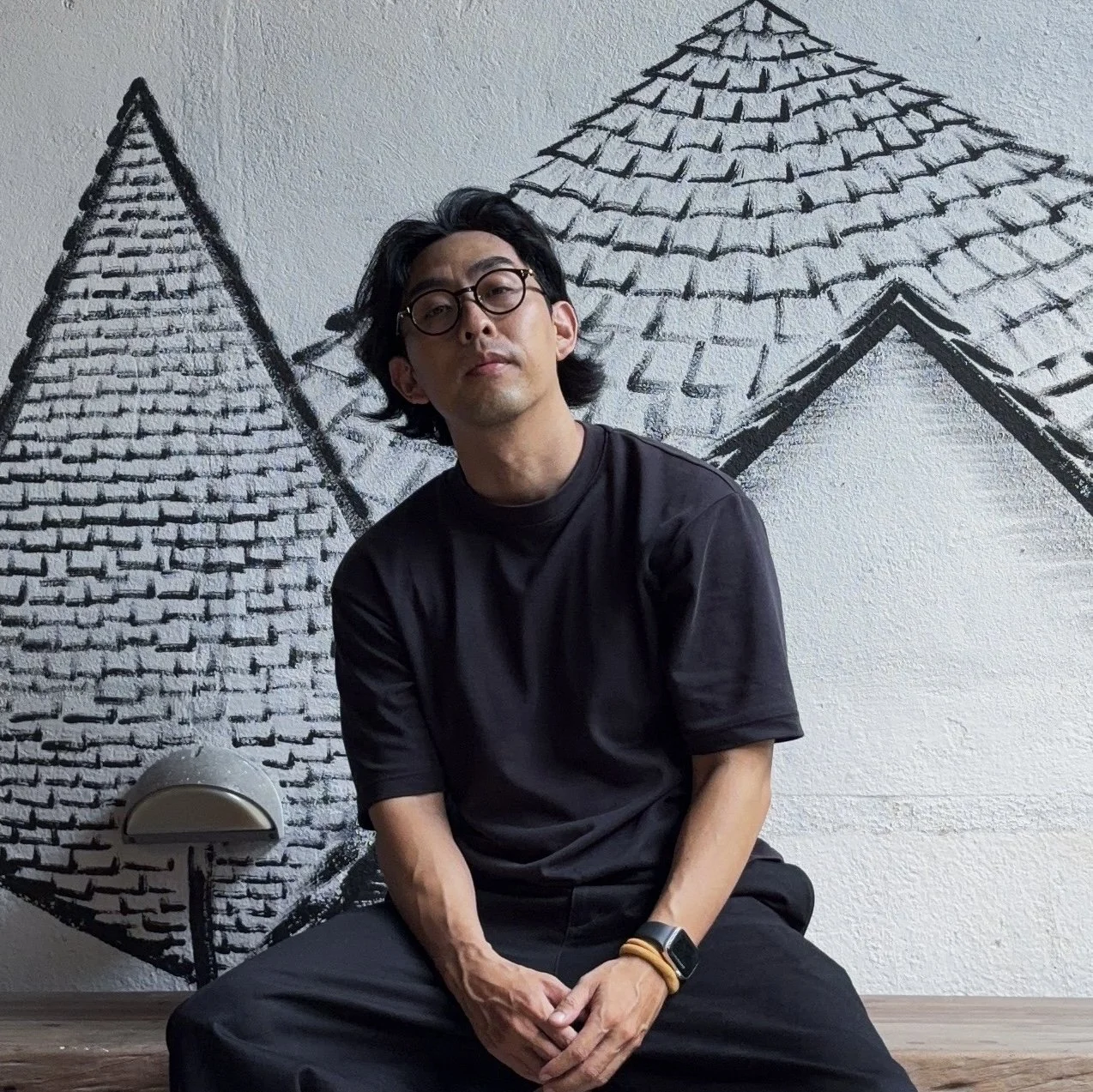
Kenny Ng
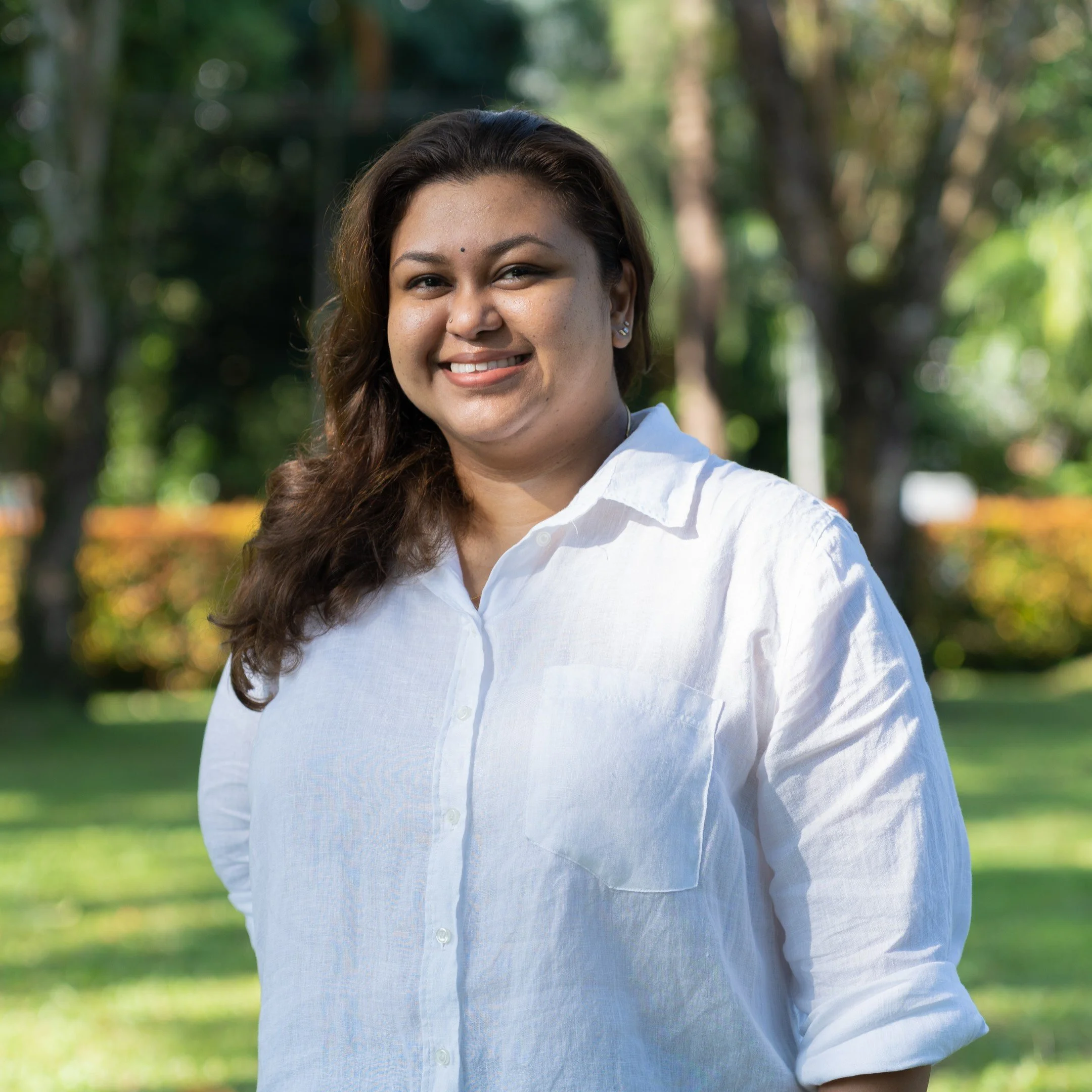
Swarna Rajagopal